How to Choose the Right Cork Rubber Sheet Thickness for Industrial Gaskets and Flooring Applications
Thickness Matters, But Why?
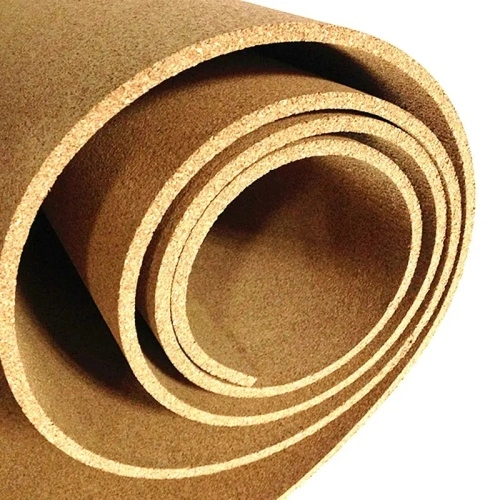
Let’s get real: thickness isn’t just a number on a spec sheet—it’s the difference between a gasket that leaks like a sieve and one that outlives your machinery. Cork rubber sheets thrive on their cellular structure, but slap on the wrong thickness, and you’re basically throwing money into a thermal vortex.
The Pressure Paradox
For industrial gaskets, thickness is dictated by pressure, not hope. A 3mm sheet might work for low-pressure pipe joints in a brewery, but try that in a hydraulic press system, and you’ll watch it compress like overcooked noodles. I’ve seen 6mm sheets save a chemical plant’s valve assembly from catastrophic failure at 150 psi. Yet, go thicker than 8mm, and you risk compromising flexibility—critical for sealing irregular surfaces.
Flooring: Where Thickness Meets Traffic
Flooring applications are a battlefield of boots, forklifts, and dropped tools. A 5mm cork rubber sheet in a warehouse aisle? That’s a rookie mistake. After six months, it’ll look like the surface of the moon. Bump it to 8mm with a dense rubber blend, and suddenly, impact resistance triples. A German auto factory I advised reduced floor-related downtime by 40% after upgrading to 10mm sheets—thick enough to dampen vibrations from robotic arms, thin enough to avoid tripping hazards.
The Cost-Thickness Tango
Here’s the dirty secret: thicker isn’t always better. A 12mm sheet might scream “premium,” but if your flooring application only handles light foot traffic, you’re overengineering and overspending. I once audited a textile mill using 15mm sheets beneath looms—absurd overkill. Switching to layered 6mm + 4mm composites saved them 22% material costs without sacrificing noise reduction.
My Unpopular Opinion
The industry obsesses over standardized thickness charts, but real-world performance demands customization. Mix 4mm cork rubber with a 2mm neoprene underlayer for acidic environments, or stagger thickness zones in flooring for heavy machinery pathways. Stop treating thickness as a standalone metric—it’s a dance partner with density, temperature, and human error.
Final Word: Test, Don’t Guess
Slap samples in your actual environment. Bake a 5mm gasket at your operating temperature. Drive a forklift over that 8mm flooring prototype. Data beats dogma every time. Your ideal thickness isn’t in a catalog—it’s hiding in the chaos of your workshop.