Short product intro
⚡ Conductive top FRP grating dissipates static safely via a molded carbon surface (10⁴–10⁶ Ω/sq), combining ESD protection, corrosion resistance and lightweight strength for hazardous-area walkways.
 Alternative Names
-
Anti-Static FRP Grating
-
ESD-Safe Fiberglass Grating
-
Electrically Conductive Composite Grating
-
Spark-Resistant Flooring
-
Conductive Fibreglass Grating / Conductive GRP Grating
Key Material Features
⚡ Conductive Surface — Molded or secondarily applied carbon-enhanced or metal-coated strands form a conductive top layer; typical surface resistivity: 10⁴–10⁶ Ω/sq, preventing static build-up and allowing safe dissipation when grounded.
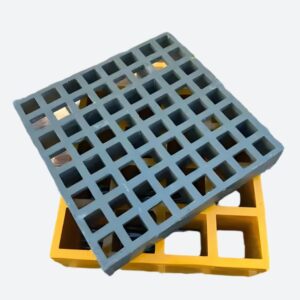
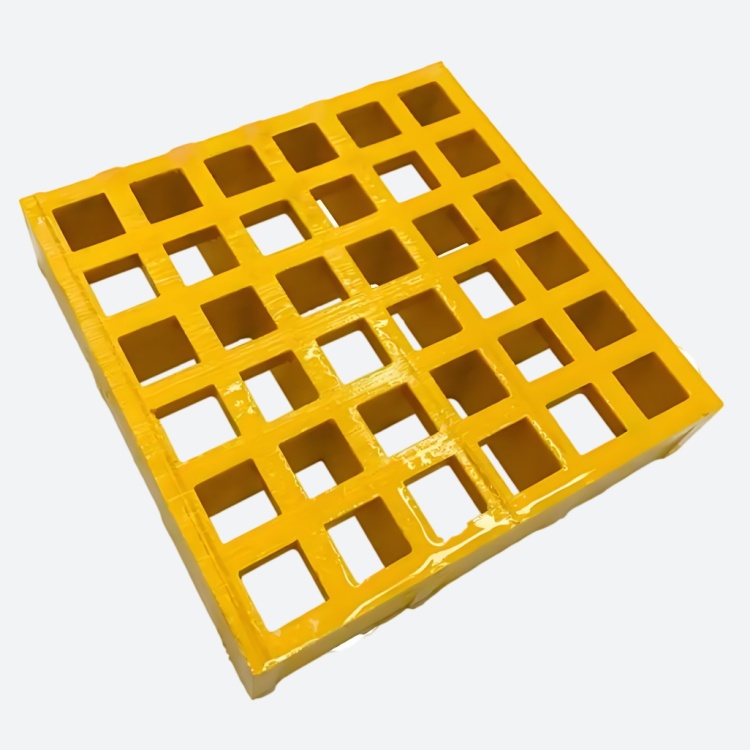
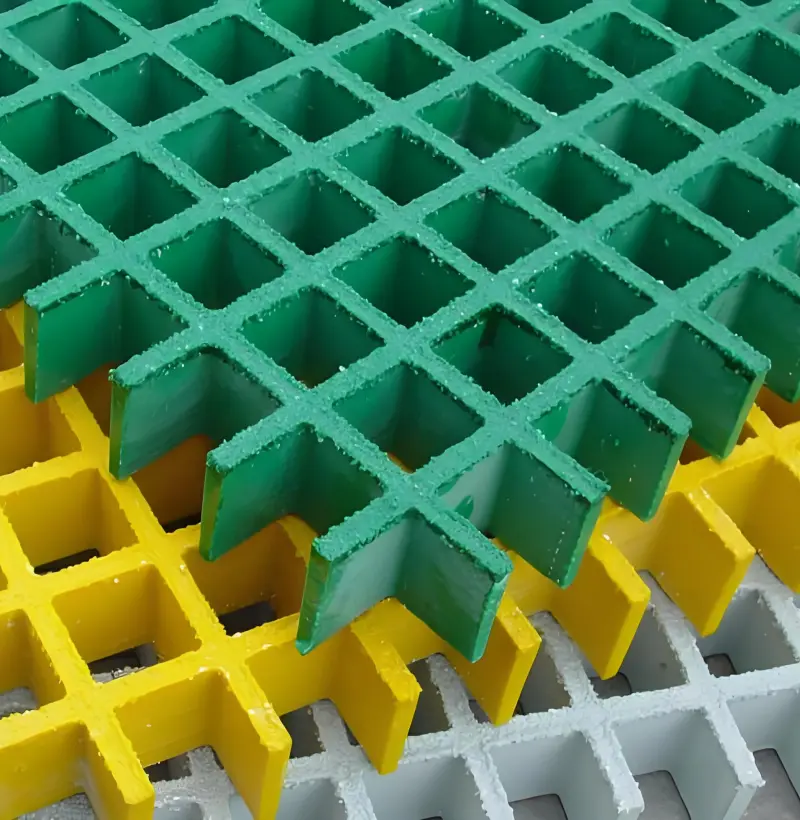
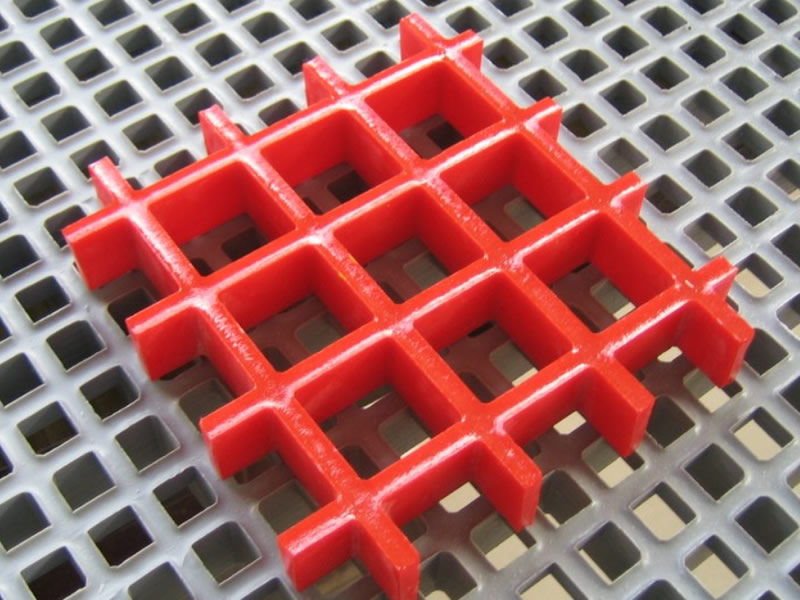
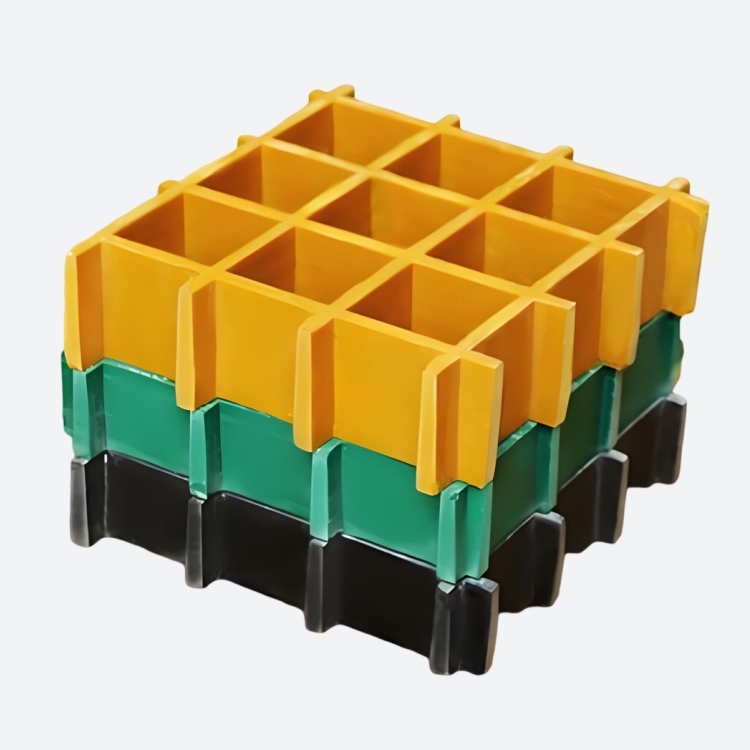
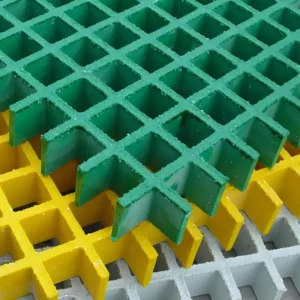
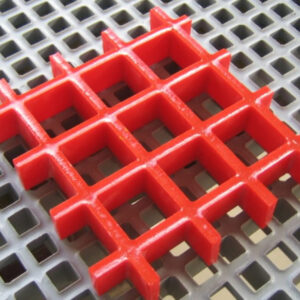
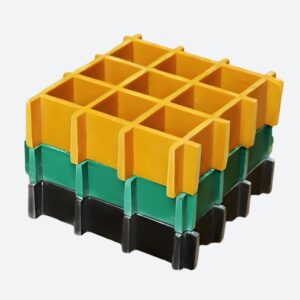
⚡ Molded FRP Construction — Maintains the mechanical and corrosion-resistant benefits of molded fiberglass grating.
⚡ Explosion-Safe — Suitable for hazardous zones where sparks could ignite flammable atmospheres (use in accordance with local hazardous-area regulations).
⚡ Corrosion Immunity — Excellent resistance to H₂S, hydrocarbons, saltwater, and many industrial chemicals.
⚡ Lightweight & High Strength — A fraction of steel’s weight with substantial load capacity.
⚡ Customizable — Slip-resistant textured surfaces, UV-stable color options, and fire-retardant treatments available (e.g., ASTM E84 Class A options).
Typical Specifications
| Item | Specification |
|---|---|
| Panel Size | 1 m × 2.5 m (standard; cut-to-size available) |
| Thickness | 30–40 mm (depending on load & span) |
| Surface Resistivity | 10⁴ – 10⁶ Ω/sq (surface resistivity) |
| Electrical Resistance | < 26 kΩ / ft (when properly grounded) |
| Load Capacity | 5 tons / m² (application-specific — verify in design) |
| Temperature Range | −40 °C to +150 °C |
| Surface | Molded black conductive safety surface (textured) |
Note: Values above reflect typical ranges. Final selection should be validated against project-specific load, span, grounding, and code requirements.
Product Data & Technical Documents
Download datasheets, chemical resistance charts, test reports and cutting templates.
Applications
-
Oil & Gas — Refinery walkways, LNG plant platforms, loading mezzanines.
-
Petrochemical & Chemical Plants — Processing platforms in H₂S or hydrocarbon service.
-
Electronics & Semiconductor Manufacturing — ESD-controlled work areas, cleanroom perimeter paths.
-
Pharmaceuticals — Areas with ESD-sensitive instrumentation.
-
Mining & Tunneling — Ventilation galleries and walkways in methane-prone zones.
-
Data Centers & Server Rooms — Raised flooring or access platforms requiring static control.
Benefits — Why Choose Conductive Top FRP Grating?
🔋 Enhanced Safety — Reduces risk of static sparks that can ignite flammable atmospheres.
🔋 Long Service Life — Superior corrosion resistance compared with metal gratings in aggressive environments.
🔋 Lower Life-Cycle Cost — No galvanic corrosion, reduced maintenance and replacement cost versus steel.
🔋 Lightweight & Easy to Install — Simplifies handling, reduces support structure loads, and shortens installation time.
🔋 Customizable Performance — Available with different anti-slip textures, fire retardant and UV-stabilized color options.
Case Study — Petrochemical Facility, Texas (2026)
Project: Hydrogen sulfide (H₂S) processing zone walkways
Scope: 500 m² of conductive molded FRP grating with grounded conductive network
Outcome: Eliminated measurable static-induced sparking events in the licensed zone, reduced unscheduled downtime by ~40%, and supported compliance with site ESD and safety policies.
Compliance & Standards
-
IEC 61340-5-1 — ESD protection (general ESD control guidance)
-
API RP 2003 — Static electricity control for hydrocarbon processing
-
ATEX Directive 2014/34/EU — Equipment and protective systems for potentially explosive atmospheres (site classification and installation practices apply)
-
Relevant local codes and client specifications should be consulted for hazardous area installations.
Installation & Grounding
-
Ensure a continuous, low-resistance grounding path from the conductive top layer to facility earth ground.
-
Design grounding and bonding per project electrical and safety engineers’ specifications and applicable codes.
-
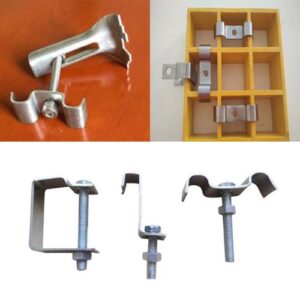
Use conductive clips or bonding straps at recommended intervals and verify continuity with a megohmmeter or surface resistivity tester after installation.
FAQ
Q1: How does conductive FRP differ from regular FRP grating?
A: Conductive FRP has a conductive top layer (carbon or metal treatment) that allows static charges to bleed to ground. Regular FRP is electrically insulating and does not provide this ESD protection.
Q2: What surface resistivity is considered “anti-static” for industrial use?
A: Anti-static/ESD surfaces commonly target surface resistivity in the 10⁴–10⁶ Ω/sq range. Exact requirements depend on the application — consult your ESD standard or engineer.
Q3: Can conductive FRP be used in explosive atmospheres?
A: Yes — when correctly specified, grounded, and installed per hazardous-area requirements and site safety procedures. ATEX/IEC zone rules and local regulations must be followed.
Q4: Is the conductive surface durable? Will it wear off?
A: The conductive surface is molded or secondarily applied as a robust safety layer. Wear depends on traffic, abrasion, and chemical exposure; periodic inspection and maintenance are recommended.
Q5: Can I cut or drill the panels on site?
A: Yes. Panels can be cut/drilled with standard fiberglass cutting tools. After cutting, edges should be finished per manufacturer guidance and any conductive continuity at cut interfaces verified if required.