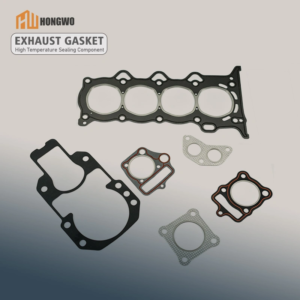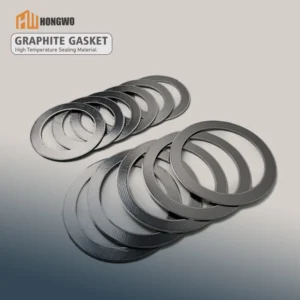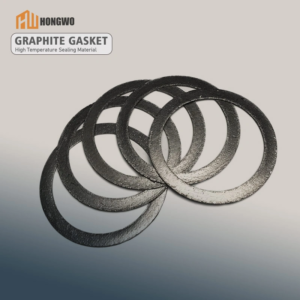
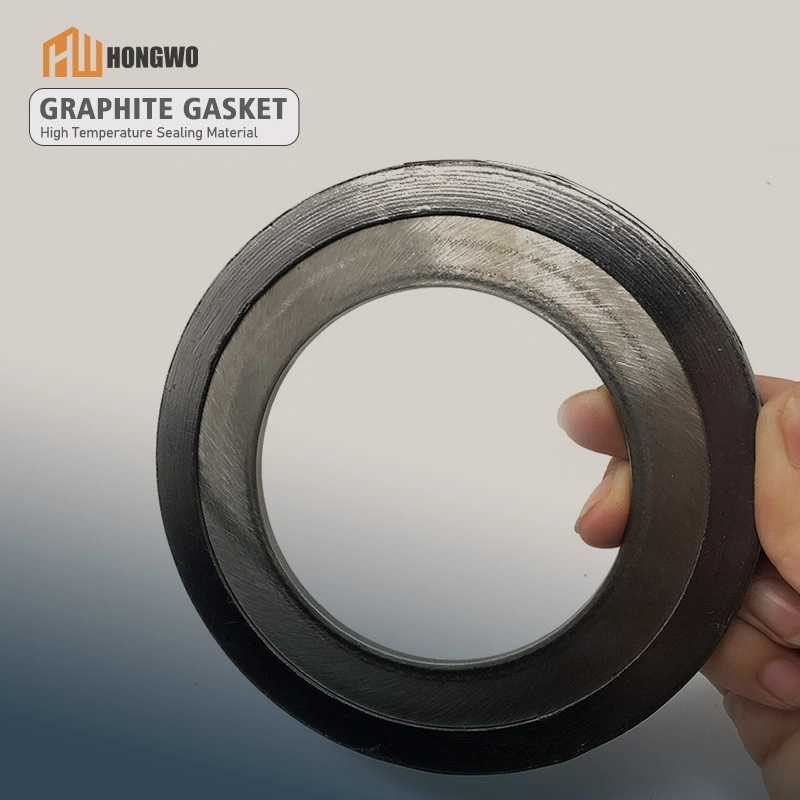
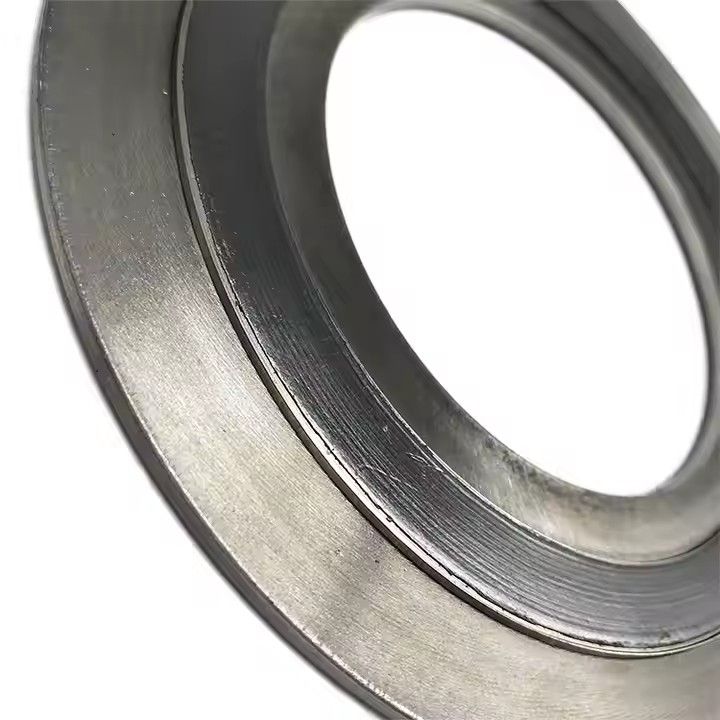
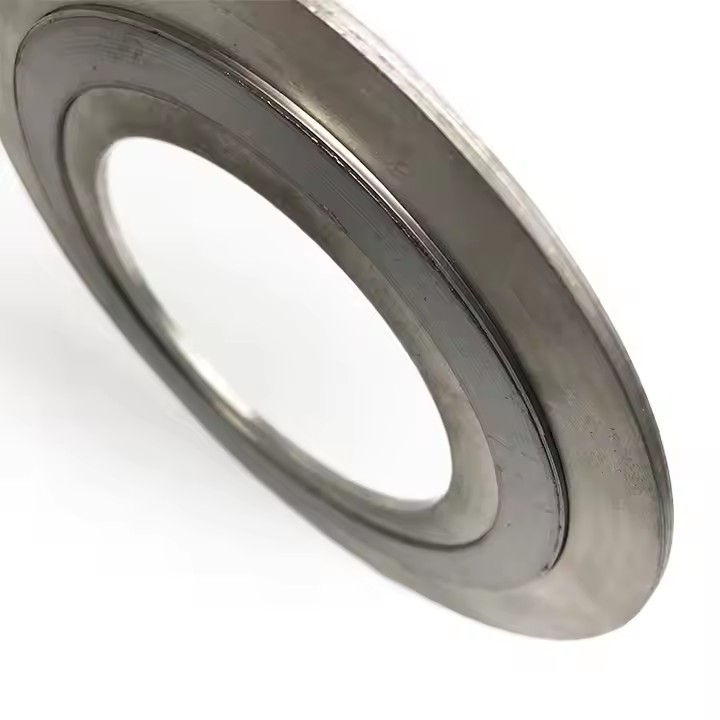
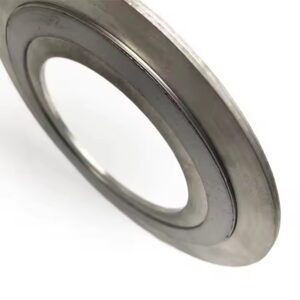
Graphite wound gasket with inner ring and outer ring is the most common metallic gasket used in industrial plants. A well-chosen and installed spiral wound gasket can withstand high temperatures and pressures. It will prevent leaks for its intended lifespan. A spiral wound gasket consists of three elements: an outer ring. Made of carbon steel; this outer ring is sometimes called the centering ring or guide ring. It’s used to center the gasket when you insert it into a bolted flange joint.
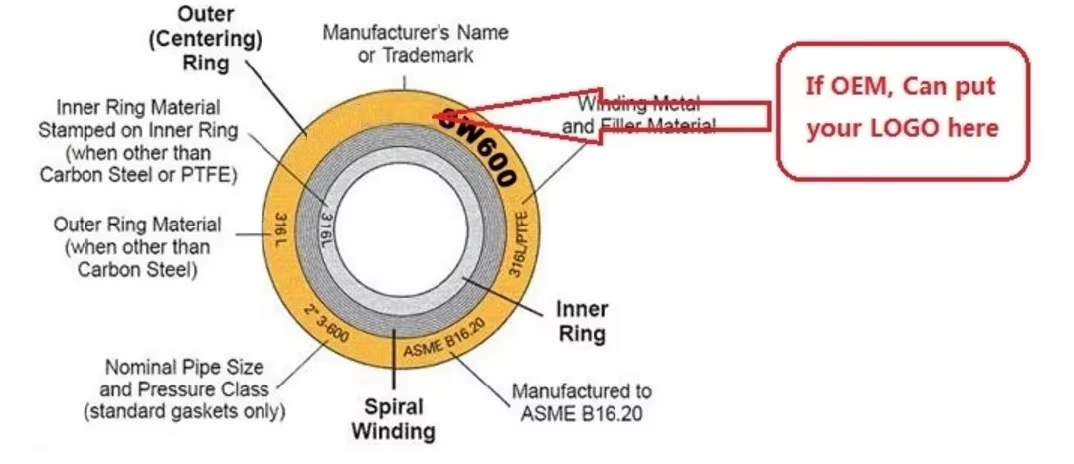
Inner ring:
The inner ring is vital for the gasket. It stops windings from buckling inside the pipe. When a gasket buckles, parts of it get sucked into the pipe. After that, pieces of the gasket will usually flow through the pipeline. They will get caught on something eventually. Often, they’ll get wrapped around rotating equipment like a pump. Inner rings help you avoid this problem.
Sealing element:
As you might guess from the name, the sealing element creates the seal that prevents leaks. A sealing element encompasses both windings and filler material. Most spiral wound gaskets in oil and gas refineries use a high-temperature, flexible graphite filler. A flexible graphite filler makes the gasket more tolerant of flange distortion and misalignment. Polytetrafluoroethylene (PTFE) is another common filler material. PTFE is not rated for high-temperature applications.