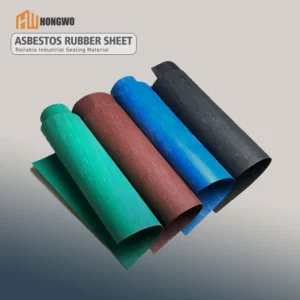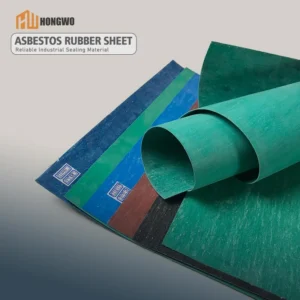
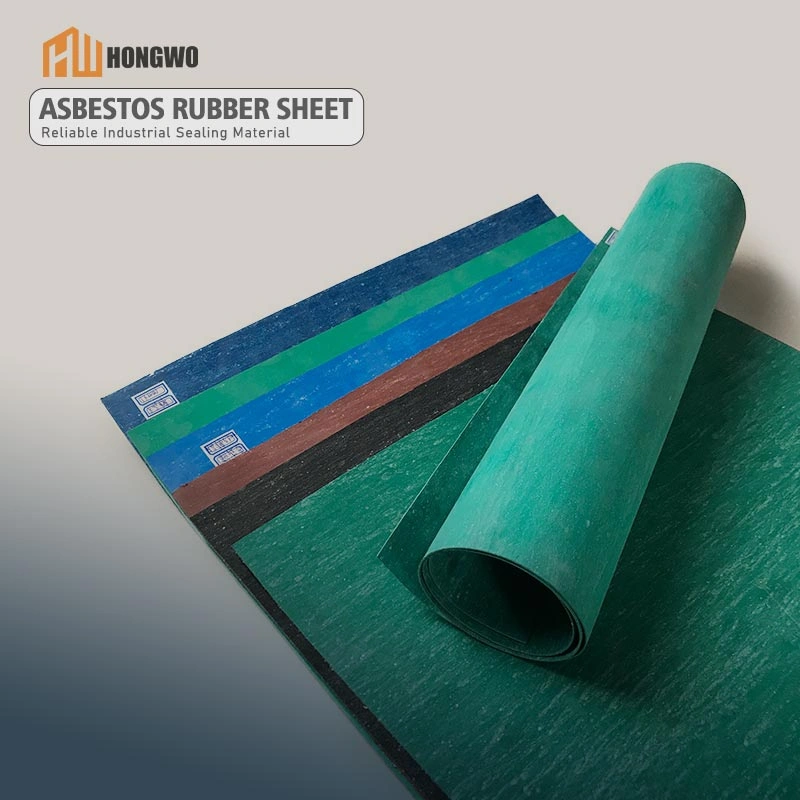
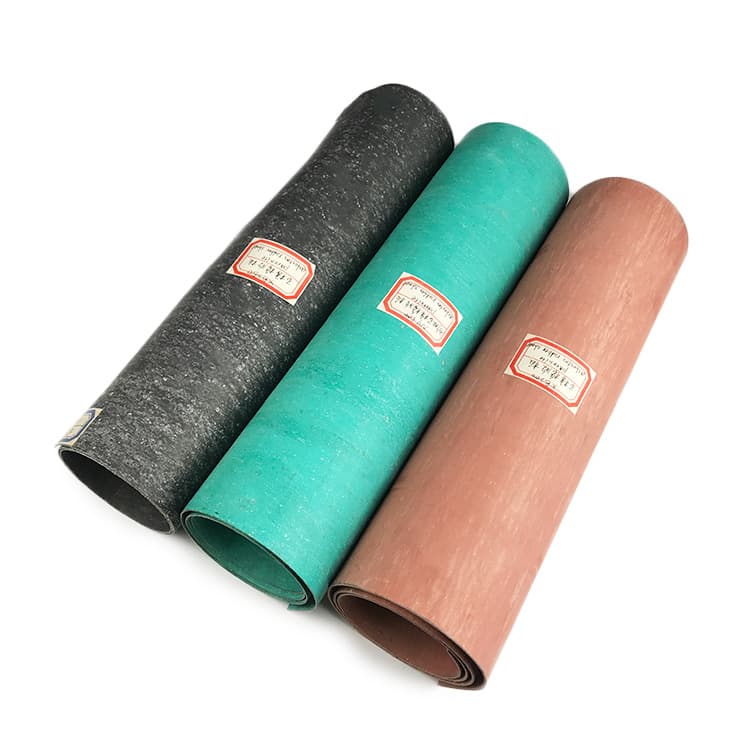
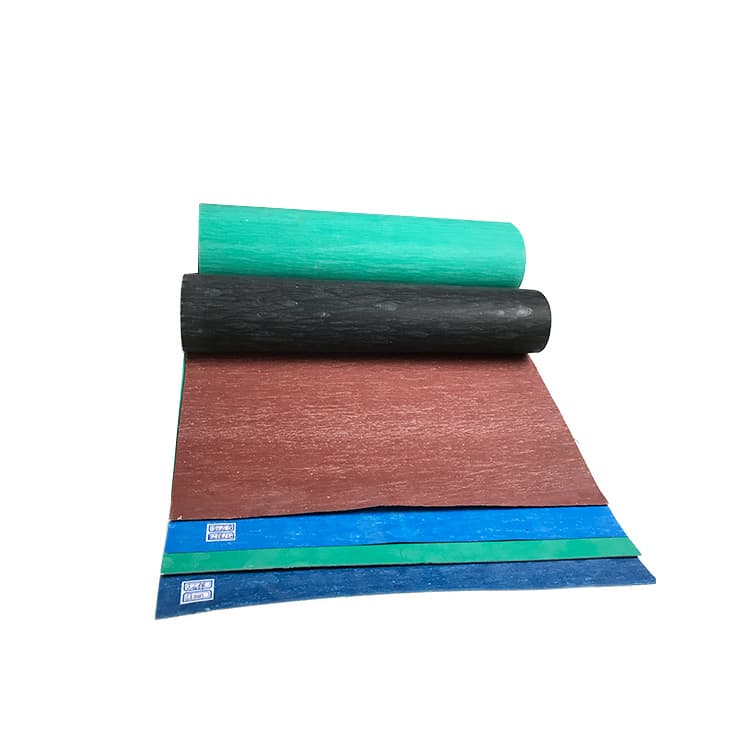
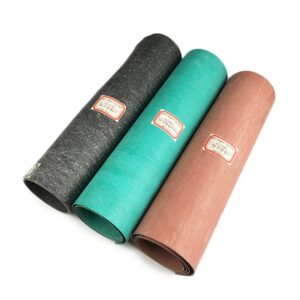
Manufacturers make Paronite by pressing asbestos, rubber, and fillers together. It mainly includes high-, medium-, and low-pressure paronite, oil-resistant paronite, and acid- and alkali-resistant paronite. Depending on its formula, process, and performance, each has different applications. As a sealing material for pipe and high-pressure vessel flanges, it can make gaskets. They have good sealing and acid-alkali resistance. When in use, it is generally cut into various shapes and sizes of gaskets as required.
The asbestos materials used in the manufacture of paronite include chrysotile and crocidolite.
Chrysotile is a type of serpentine asbestos. It is mainly magnesium silicate with about 13% crystalline water. It has good heat and alkali resistance and high tensile strength. But it has poor acid resistance. Manufacturers make most paronite from it.
Crocidolite is an amphibole asbestos. Its main component is a silicate. It contains 2.5 to 3.5% crystalline water, very little magnesium oxide, and 18 to 24% iron oxide. Crocidolite has good heat and acid resistance. They use it to make acid-resistant paronite.
Asbestos fiber quality greatly affects paronite’s performance. Asbestos fibers must have high tensile strength and good heat resistance. They must be of a certain length and be flexible and elastic. Use grade 2 and 3 asbestos fibers in high-pressure, oil-resistant paronite above 400 grade.
Due to paronite’s usage restrictions, more non-paronite materials replace the original asbestos boards.