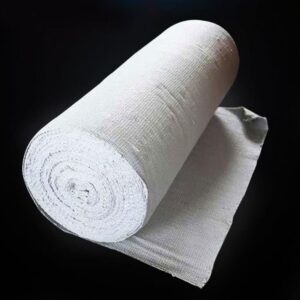
Product Overview
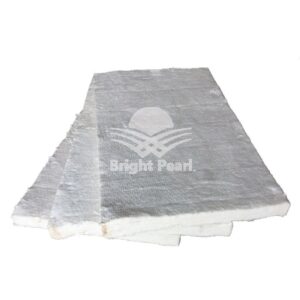
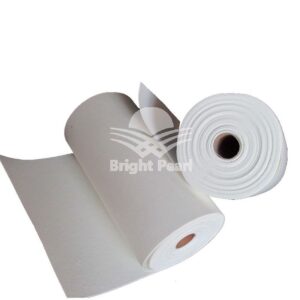
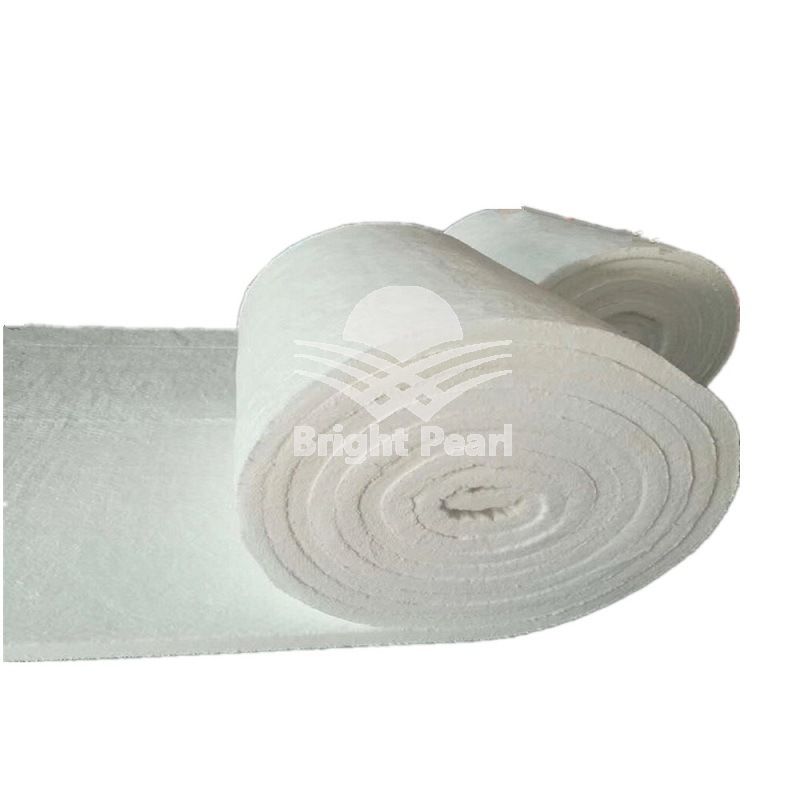
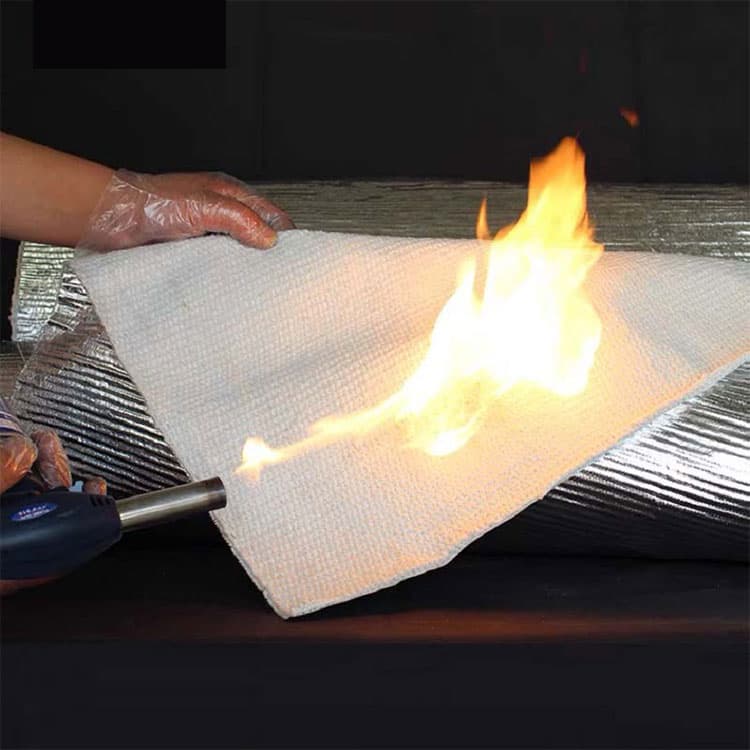
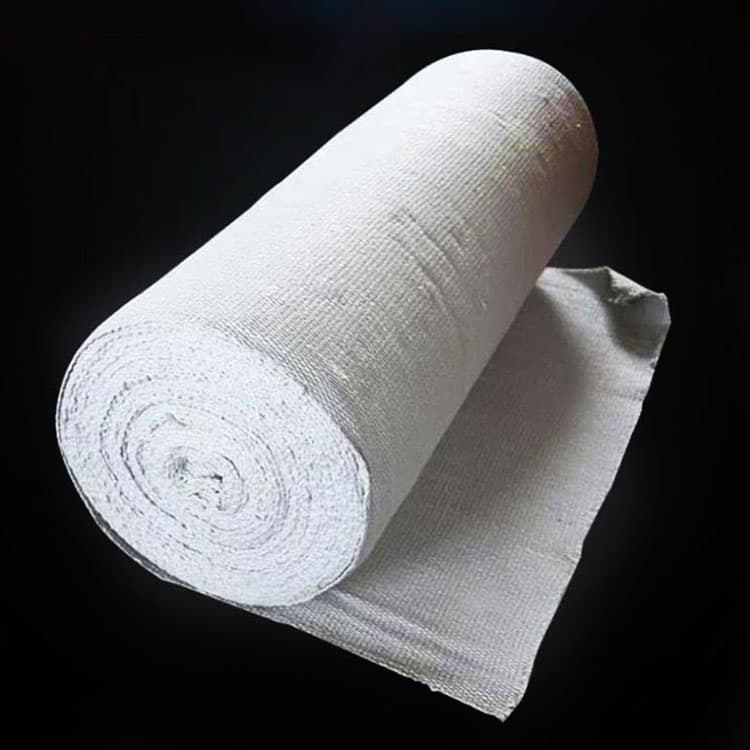
Ceramic Fiber Blanket is a flexible, lightweight insulation material made from high-purity alumina-silicate fibers. It is designed for high-temperature applications where low thermal conductivity, excellent thermal shock resistance, and ease of installation are critical. The blanket is manufactured through a needling process that creates a strong, uniform, and resilient product capable of withstanding continuous operating temperatures up to 1430°C, depending on the grade.
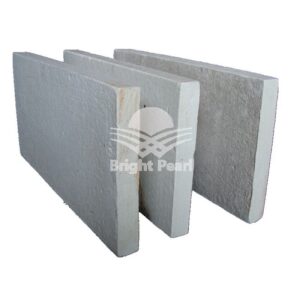
Unlike rigid boards or dense refractories, Ceramic Fiber Blanket can be easily cut, wrapped, or layered to fit complex shapes and irregular surfaces. It is widely used as furnace linings, pipe insulation, expansion joint packing, and high-temperature gasketing. Our factory produces Ceramic Fiber Blanket under strict quality control, ensuring consistent density, thickness, and fiber distribution in every roll.
Key Features
-
Low Thermal Conductivity
The Ceramic Fiber Blanket offers outstanding insulation performance, with thermal conductivity ranging from 0.03 W/m·K at 200°C to 0.18 W/m·K at 800°C. This reduces heat loss and lowers energy consumption in continuous high-temperature operations. -
Excellent Thermal Shock Resistance
The flexible fiber structure allows the Ceramic Fiber Blanket to withstand rapid heating and cooling without cracking or spalling. It is ideal for intermittent furnaces, kiln cars, and access doors that experience frequent temperature cycling. -
Lightweight and Easy to Handle
With bulk density as low as 64 kg/m³, the Ceramic Fiber Blanket is up to 90% lighter than refractory brick. One worker can easily handle a full roll, and the material can be cut with simple hand tools, reducing installation time and labor costs. -
High-Temperature Stability
Available in classification temperatures of 1260°C, 1360°C, and 1430°C, the Ceramic Fiber Blanket maintains its flexibility and insulating properties even after prolonged exposure to rated temperatures, with minimal linear shrinkage. -
Chemical Resistance
The Ceramic Fiber Blanket resists attack from most acids, alkalis, and organic solvents. It does not outgas or release contaminants, making it suitable for use in sensitive processing environments. -
Low Heat Storage
Because of its low density and low thermal mass, the Ceramic Fiber Blanket absorbs very little heat during furnace operation. This allows faster heat-up and cool-down cycles, improving process efficiency. -
Sound Absorption
The porous fiber structure also provides effective acoustic insulation, reducing noise levels in industrial equipment such as boilers and generators.
Technical Specifications
| Parameter | Standard Values |
|---|---|
| Classification Temperature | 1260°C / 1360°C / 1430°C |
| Continuous Operating Temperature | 1000°C – 1350°C (depending on grade) |
| Bulk Density | 64 / 96 / 128 kg/m³ |
| Thermal Conductivity (400°C) | 0.06 – 0.10 W/m·K |
| Tensile Strength | ≥ 0.04 MPa (varies by density) |
| Linear Shrinkage (24h at rated temp) | ≤ 3.0% |
| Standard Width | 610 mm / 1220 mm |
| Standard Thickness | 6 mm – 50 mm |
| Standard Roll Length | 7.2 m – 30 m (depending on thickness) |
| Color | White |
| Fiber Composition | Alumina-silicate (Al₂O₃ + SiO₂) |
Custom sizes, densities, and thicknesses are available upon request.
Applications
Ceramic Fiber Blanket is used in a wide range of high-temperature industrial applications:
-
Furnace and Kiln Linings
As hot-face lining or backup insulation in heat treatment furnaces, ceramic kilns, and glass annealing lehrs, the Ceramic Fiber Blanket significantly reduces heat-up time and energy costs compared to traditional brick linings. -
Pipe and Duct Insulation
Wrapped around high-temperature pipes, exhaust ducts, and flue gas systems, the Ceramic Fiber Blanket prevents heat loss and protects personnel from hot surfaces. -
Expansion Joint Packing
The compressible nature of the Ceramic Fiber Blanket makes it an ideal filler for expansion joints in refractory linings, boilers, and industrial ovens, absorbing thermal movement without losing seal integrity. -
Boiler and Heater Insulation
Used in power plants and petrochemical facilities to insulate boiler walls, tube sheets, and burner openings, the Ceramic Fiber Blanket withstands direct flame impingement and high-velocity gas flow. -
Automotive and Aerospace
Heat shields, exhaust insulation, and firewall barriers in high-performance vehicles and aircraft use Ceramic Fiber Blanket to protect sensitive components from extreme heat. -
Fire Protection
As a passive fire barrier in buildings, ships, and industrial equipment, the Ceramic Fiber Blanket provides high-temperature resistance and helps contain fire spread. -
Metal Processing
Ladle covers, tundish liners, and heat shields in foundries and steel mills benefit from the Ceramic Fiber Blanket’s resistance to molten metal splash and thermal shock.
Custom Processing and Fabrication
We offer a range of custom services to meet specific requirements for Ceramic Fiber Blanket:
-
Slitting — narrow width rolls for automated wrapping or gasket production
-
Die-cutting — custom shapes and washers for sealing applications
-
Adhesive backing — pressure-sensitive adhesive applied to one side for easy installation
-
Aluminum foil or stainless steel mesh facing — added for mechanical protection, reflectivity, or gas velocity resistance
-
Laminated blankets — bonded layers for increased thickness or density
-
Pre-cut lengths — matched to your production line or installation dimensions
To request custom-processed Ceramic Fiber Blanket, please provide your required dimensions, density, and quantity. A quotation will be provided within 24 hours.
Packaging and Shipping
Each roll of Ceramic Fiber Blanket is carefully packaged to prevent compression damage and moisture absorption:
-
Rolled on a sturdy cardboard core
-
Wrapped in moisture-proof polyethylene film
-
Placed in heavy-duty cardboard boxes or woven bags for roll protection
-
Palletized and shrink-wrapped for container loading
-
Full documentation including packing list, certificate of origin, and material test reports
We ship worldwide by sea, air, or express courier. Standard sizes are kept in stock for immediate dispatch. Custom Ceramic Fiber Blanket orders typically ship within 10–15 working days.
Frequently Asked Questions
Q: What is the difference between 1260°C and 1430°C Ceramic Fiber Blanket?
A: The main difference is the alumina content and high-temperature stability. A 1430°C Ceramic Fiber Blanket uses high-purity fibers with a higher alumina percentage, resulting in lower shrinkage and better performance at extreme temperatures. Choose a grade with a safety margin above your peak operating temperature.
Q: Can Ceramic Fiber Blanket be used in contact with molten metal?
A: Standard Ceramic Fiber Blanket is not recommended for direct contact with molten metal. We offer non-wetting grades specifically designed for aluminum and zinc contact applications. Please specify your exact service conditions.
Q: Does Ceramic Fiber Blanket absorb moisture?
A: The porous structure of the Ceramic Fiber Blanket can absorb moisture if exposed to water or high humidity. Store in a dry environment. If moisture is absorbed, the blanket can be dried at 200–300°C before returning to service without losing insulation performance.
Q: Is Ceramic Fiber Blanket safe to handle?
A: Like all refractory ceramic fiber products, Ceramic Fiber Blanket can release respirable fibers when cut or abraded. We recommend using appropriate PPE and provide safety data sheets with every shipment. Bio-soluble fiber grades are available upon request.
Q: Can I get a sample before placing a bulk order?
A: Yes, we offer free standard samples of Ceramic Fiber Blanket to qualified B2B buyers. Custom grades or processed samples may require a setup fee, refundable on your first production order.
Q: What is the minimum order quantity?
A: For standard sizes and densities, we accept trial orders from as little as one roll. For custom specifications, the minimum order quantity is typically 100 rolls or 500 m² depending on the complexity of the requirement.
Request a Quote
To receive pricing and availability for Ceramic Fiber Blanket, please provide the required grade, density, thickness, width, and quantity. Our team will respond within one business day with a detailed quotation and technical recommendation.