
Water and wastewater treatment plants are among the most corrosive industrial environments. Constant exposure to moisture, chemicals, hydrogen sulfide, and salt-laden air quickly degrades traditional materials like steel, concrete, and aluminum. As a result, plant owners and engineers are increasingly turning to fiberglass reinforced plastic (FRP) for long-term, cost-effective solutions.
From FRP grating and handrails to launder covers, weir plates, pipes, and tanks, fiberglass composites are now the material of choice in modern treatment facilities. Here’s why.
1. Superior Corrosion Resistance
The most obvious advantage of FRP is its ability to withstand aggressive chemical attack.
Unlike steel, FRP does not rust. Unlike concrete, it does not spall or crack when exposed to hydrogen sulfide or acidic effluents. FRP products are manufactured with corrosion-resistant resins such as vinyl ester or isophthalic polyester, making them ideal for:
Primary and secondary clarifier components
Chemical dosing areas
Odor control covers
Sludge handling zones
Result: Less downtime, fewer repairs, and a service life that often exceeds 20–30 years in wastewater environments.
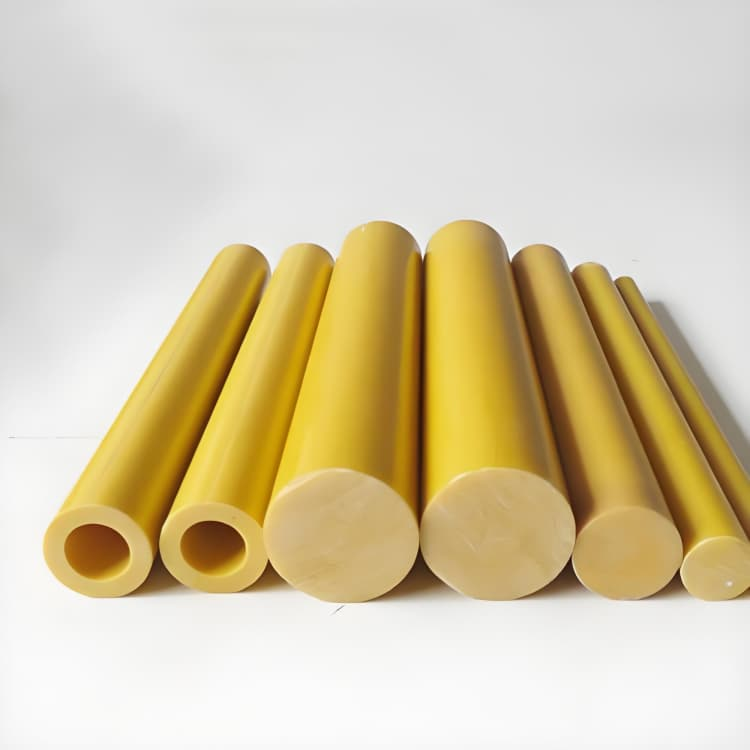
2. Lightweight and Easy to Install
FRP weighs approximately 70–80% less than steel and 30% less than aluminum. This lightweight nature offers several practical benefits in treatment plants:
No heavy lifting equipment required
Faster installation with smaller crews
Reduced structural support requirements
Easy to cut and modify on-site with standard tools
For plant upgrades or retrofits where access is limited, FRP can significantly reduce installation time and labor costs.
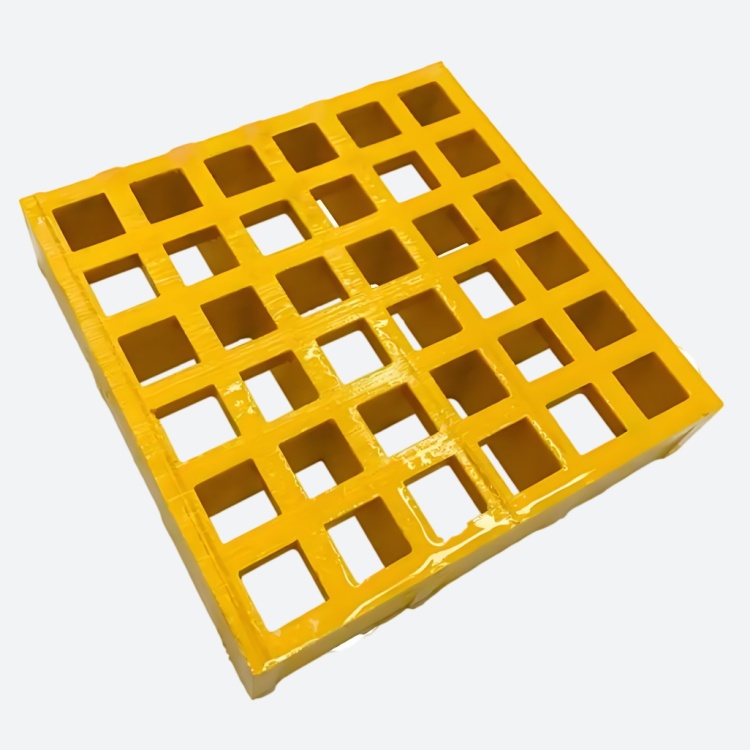
3. Low Maintenance and Lifecycle Cost
Although the initial material cost of FRP can sometimes be higher than carbon steel, the total cost of ownership is almost always lower.
Consider the following comparison:
| Material | Corrosion Resistance | Maintenance Required | Typical Service Life |
| Carbon Steel | Poor – requires coating | High – repainting, patching | 10–15 years |
| Concrete | Moderate – cracks over time | Moderate – sealing, repair | 15–20 years |
| FRP | Excellent | Minimal – occasional washdown | 25–30+ years |
FRP does not require painting, galvanizing, or cathodic protection. A simple washdown is usually enough to keep it in good condition.
4. Non-Conductive and Slip-Resistant for Safety
Safety is critical in water and wastewater facilities, especially in areas with electrical equipment or wet surfaces.
Electrical non-conductivity – FRP does not conduct electricity, reducing the risk of shock in pump stations and control areas.
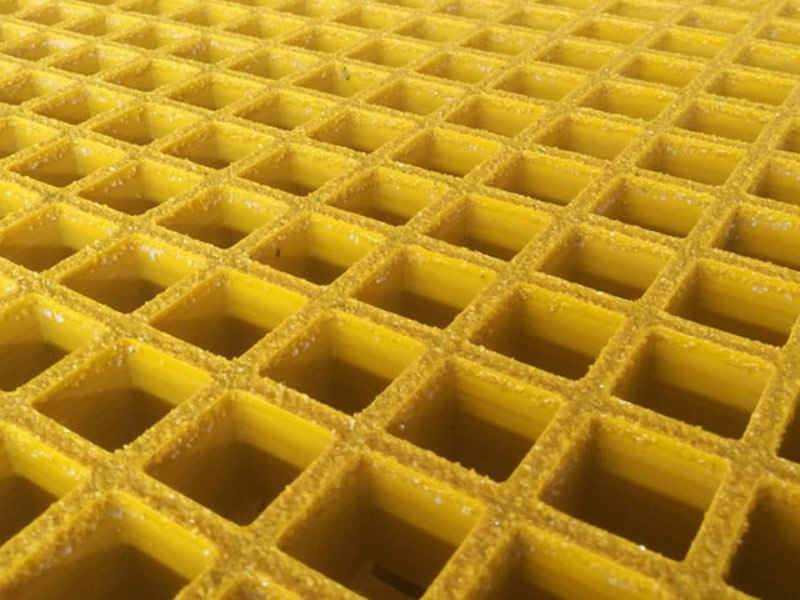
Slip-resistant surfaces – FRP grating can be manufactured with a grit-top or concave surface, providing excellent traction even when wet or covered with biofilms.
These properties help plants meet OSHA and other safety regulations without additional coatings.
5. Design Flexibility for Custom Applications
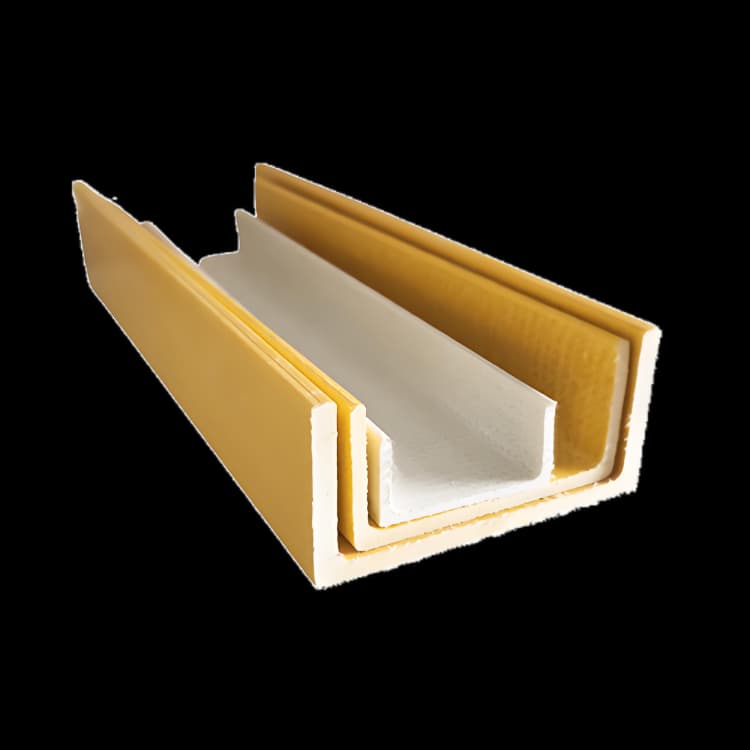
Water treatment plants often require non-standard components. FRP can be molded or pultruded into complex shapes that would be expensive or impossible to fabricate in steel.
Common custom FRP products in water treatment include:
Launder covers and troughs
Weir plates and baffles
Odor control ductwork
Scum baffles and flow control gates
Access platforms and walkways
Chemical storage tanks
This flexibility allows engineers to design precisely for hydraulic performance while maintaining corrosion resistance.
Common FRP Applications in Water & Wastewater Plants
| Application | Typical FRP Products |
| Clarifiers | Launders, weirs, scum baffles, covers |
| Headworks | Bar screens, grating, handrails |
| Odor control | Ductwork, scrubber vessels, covers |
| Chemical feed | Storage tanks, pipes, double-wall containment |
| Walkways & platforms | Molded or pultruded grating, stair treads, handrails |
Conclusion
For water and wastewater treatment facilities, FRP offers an unmatched combination of corrosion resistance, light weight, low maintenance, and design flexibility. As plants continue to face stricter environmental regulations and tighter maintenance budgets, the shift toward FRP is not just a trend—it is an economic and engineering necessity.
If you are planning a new treatment facility or upgrading an existing one, our team can help you select the right FRP products for your application.
[Browse FRP Products for Water Treatment]
[Contact Us for Technical Support]