Why Chemical Plants Choose Phenolic Packing Over PTFE for Acid Resistance
Picture this: a corrosive acid is gushing through your pipes, and your sealing material has two choices—fight or dissolve. For decades, PTFE (Teflon™) was the darling of chemical engineers, flaunting its slick, nonstick reputation. But lately, phenolic packing has been stealing the spotlight in brutal acid environments. Why? Let’s dive into the juicy drama, with receipts.
1: Acid Wars – PTFE’s Kryptonite Exposed
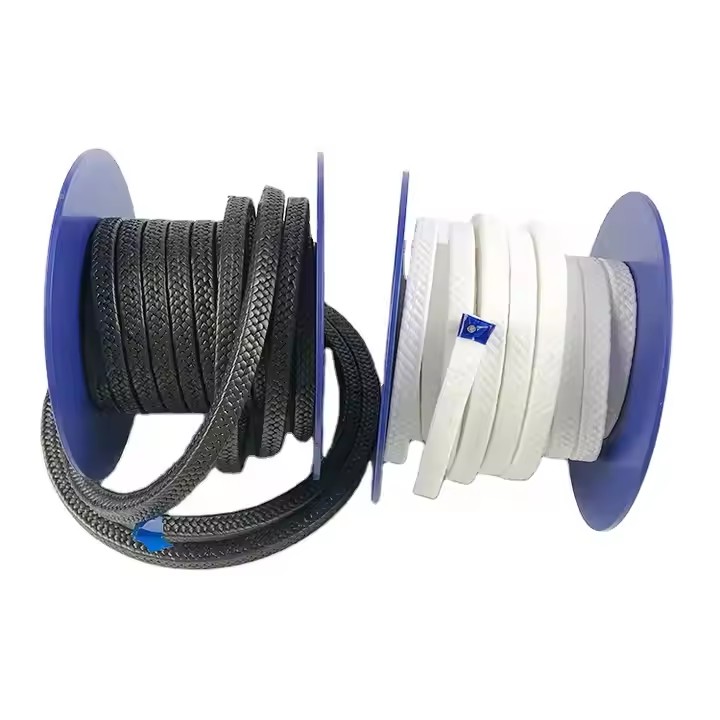
PTFE is like that friend who thrives in mild chaos but folds under real pressure. While it resists weak acids (think vinegar-level stuff) like a champ, throw hydrochloric acid (HCl) or sulfuric acid (H₂SO₄) at it, and things get ugly. Above 200°C, PTFE starts degrading faster than a sandcastle in a tsunami.
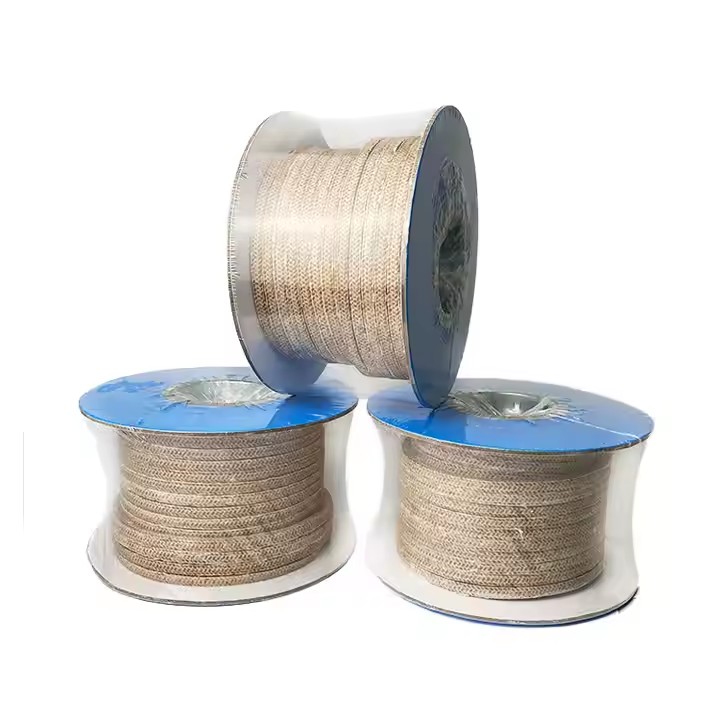
Phenolic packing, meanwhile, treats concentrated acids like a lazy Sunday. Its secret? A tightly cross-linked polymer structure that slams the door on reactive ions.
| Material | Max Acid Resistance (Concentration) | Temperature Limit | Lifespan in 30% HCl |
|---|---|---|---|
| PTFE | 50% HNO₃ | 260°C | 6–12 months |
| Phenolic | 95% H₂SO₄ | 150°C | 5–8 years |
Hot take: PTFE’s “acid-resistant” label is like calling a raincoat “storm-proof”—it works until reality hits.
2: Cost vs. Grit – The Plot Thickens
Sure, PTFE is cheaper upfront (15/metervs.phenolic’s30). But here’s the kicker: in harsh acid environments, PTFE needs replacing 5x more often. Do the math:
Case study: A fertilizer plant in Brazil swapped PTFE for phenolic in their 40% phosphoric acid pumps.
| Metric | PTFE | Phenolic |
|---|---|---|
| Annual cost | $900 (6 replacements) | $300 (1 replacement) |
| Downtime hours/year | 48 | 8 |
Translation: Phenolic paid for itself in 4 months. Bosses high-fived. Maintenance crews finally took vacations.
3: Temperature Tango – PTFE’s Sneaky Weakness
“But wait!” PTFE fans cry. “PTFE handles higher temps!” True… if there’s no acid involved. Mix heat with HCl, and PTFE’s chemical resistance plummets. Phenolic, while maxing out at 150°C, laughs at this combo.
Real-world smackdown:
- Lithium battery plant in China: PTFE seals in 120°C HCl vapor failed weekly. Switched to phenolic—zero leaks in 2 years.
- Gold refinery in South Africa: PTFE dissolved in 80°C aqua regia (HCl + HNO₃). Phenolic lasted 3x longer.
Opinion alert: Using PTFE in hot acid is like wearing flip-flops to a volcano hike—bold, but deeply unwise.
The Secret Weapon: Phenolic’s “Set It and Forget It” Vibe
PTFE demands babying—regular torque checks, lubricants, and prayers. Phenolic? Once compressed, it locks into place like a grumpy cat in a sunbeam. No adjustments. No fuss.
Pro tip: A chemical plant manager in Louisiana told me, “With phenolic, we seal once and sleep soundly. PTFE? It’s a midnight leak alarm waiting to happen.”
Verdict: PTFE’s Good… Until It Isn’t
Phenolic packing isn’t perfect. It hates alkalis and extreme heat. But in the acid-soaked, budget-conscious world of chemical plants? It’s the gritty underdog that outpunches its price tag.
Final thought: PTFE’s great for coffee makers and nonstick pans. But when your pipes are swimming in acid, phenolic’s the hero you need—not the “nice-to-have” you regret. 🔥