Modified PTFE vs. Standard PTFE Gaskets: A Technical Comparison
1. Material Composition and Performance
-
Standard PTFE Gaskets (e.g., pure PTFE):
-
Made from virgin polytetrafluoroethylene, it resists acids, alkalis, and solvents. This material shows great chemical inertness across a pH range of 0 to 14.
-
Weaknesses: It can experience cold flow (creep) when subjected to constant pressure. This may result in seal failure over time.
-
Limited mechanical strength at high temperatures (> 100 °C).
-
-
Modified PTFE gaskets (e.g., filled or expanded PTFE):
-
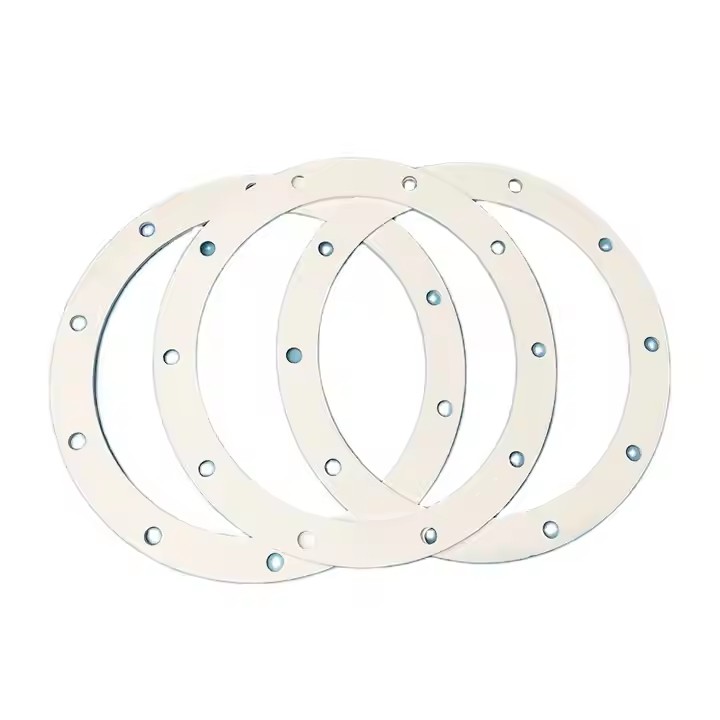
Reinforced with additives like graphite (15–25%), glass fiber, or carbon fiber. This boosts compressive strength and lowers creep.
-
Expanded PTFE variants exhibit superior flexibility and conformability for irregular sealing surfaces.
-
Maintains PTFE’s chemical resistance while improving thermal stability (up to 200°C).
-
2. Industry Applications
-
Standard PTFE:
-
Ideal for low-pressure, static seals in corrosive environments: chemical reactors, food processing (non-contaminating).
-
Limited to applications without dynamic stress (e.g., pump shafts).
-
-
Modified PTFE:
-
Excels in high-stress situations, like oil and gas pipelines. Also, handles aggressive chemical pumps and cryogenic systems, such as LNG storage.
-
Expanded PTFE seals excel in pharmaceutical cleanrooms due to zero particulate shedding.
-
3. Service Life and Maintenance
-
Standard PTFE:
-
Short lifespan (1–3 years) in high-pressure systems due to cold flow.
-
Requires frequent bolt retightening to compensate for creep.
-
-
Modified PTFE:
-
Lasts 5–8+ years under cyclic loads (e.g., compressor flanges).
-
Reduced maintenance: filler materials resist cold flow, maintaining bolt preload.
-
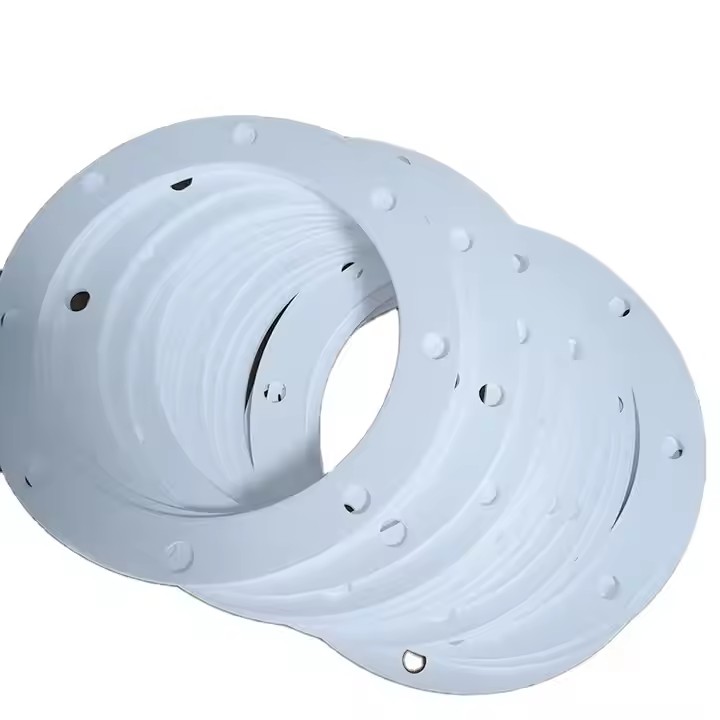
Key Trade-offs
-
Factor
-
Standard PTFE
-
Cost: Lower ($20–50/kg)
-
Seal Integrity: Static applications only
-
Temperature Range: -100°C to +100°C
-
-
Modified PTFE
-
Cost: Higher ($60–120/kg)
-
Seal Integrity: Dynamic/static hybrid
-
Temperature Range: -200 °C to +200 °C
-
-
Conclusion: Standard PTFE works for basic corrosive environments. Modified PTFE gaskets, such as graphite-filled or expanded types, are very durable. They work well under extreme heat and stress. Industries like petrochemicals and cryogenics value long-term reliability. They find that the higher upfront cost of modified PTFE pays off in the end. This material leads to less downtime and lower maintenance needs.