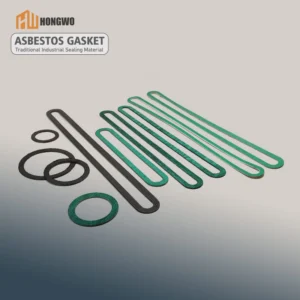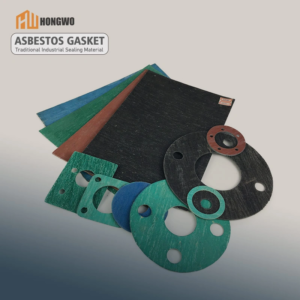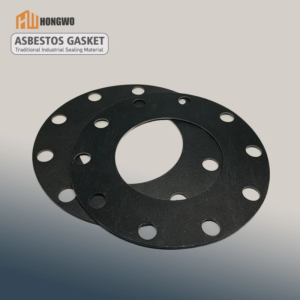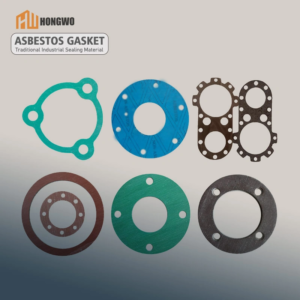
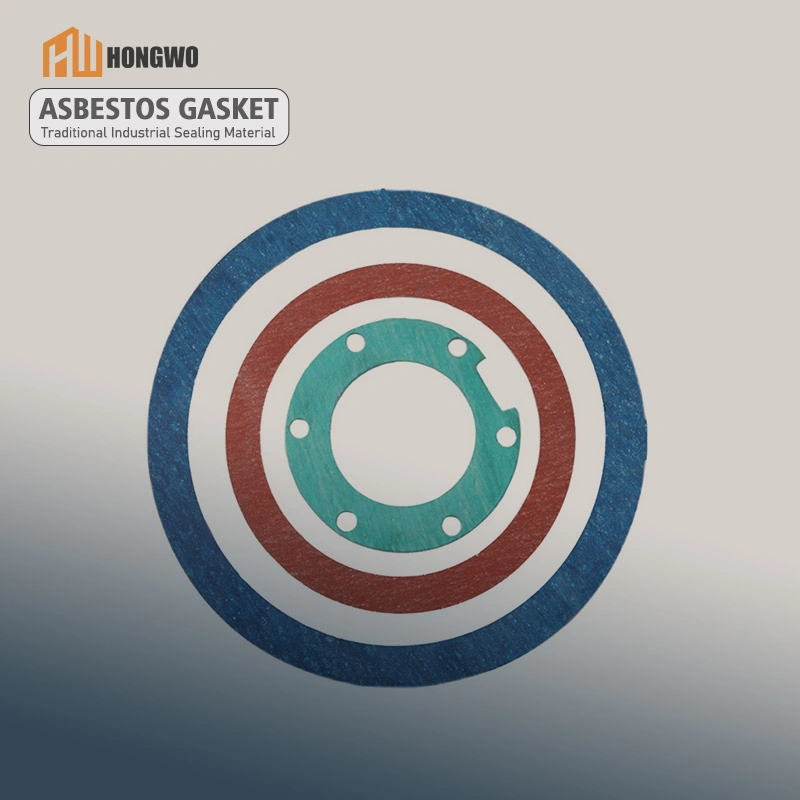
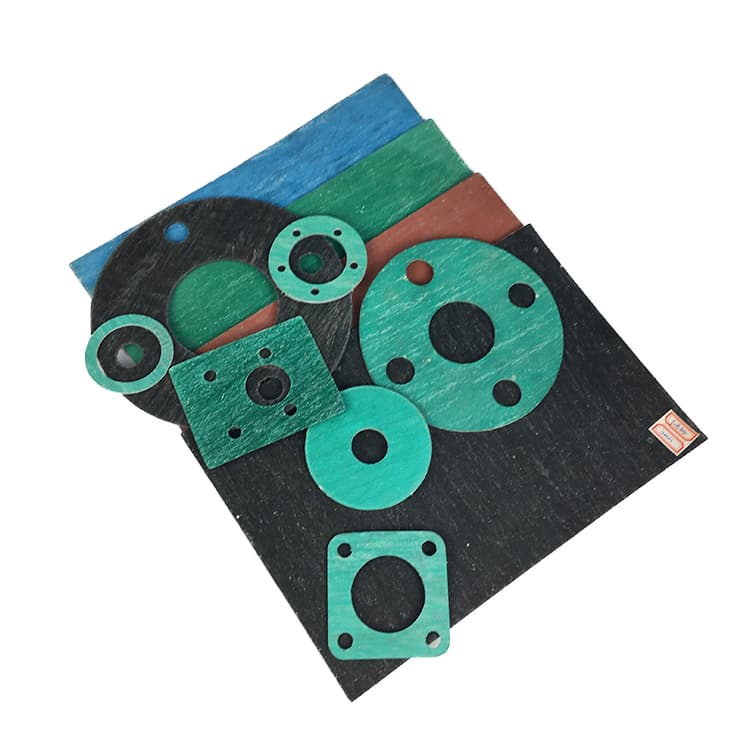
Oil-resistant asbestos gasket is a high-performance seal. It is widely used in mechanical equipment and pipeline systems. They resist oil well. Oil-resistant asbestos gasket can seal oily environments for a long time. This prevents oil leaks and stops outside contaminants from getting in.
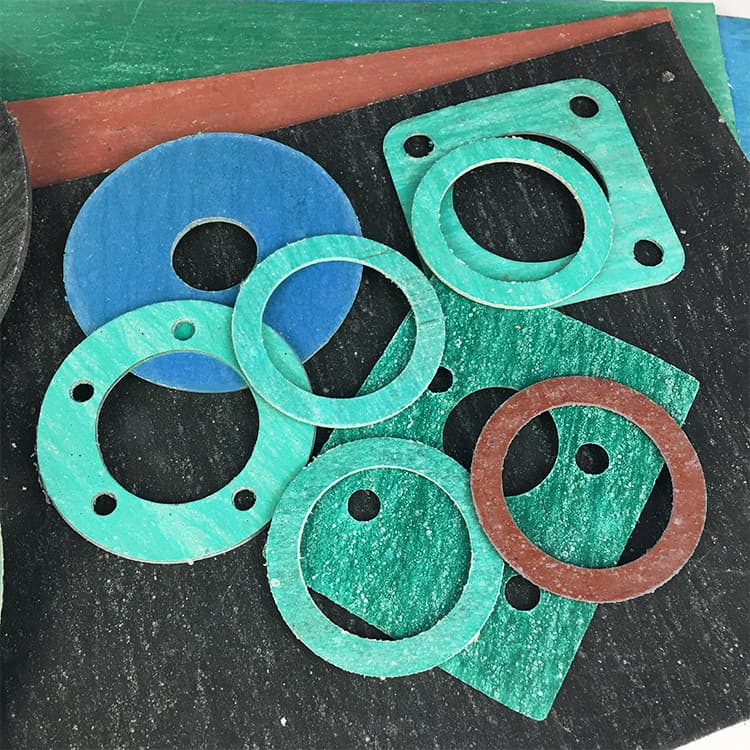
Performance Characteristics
Strong oil resistance: Manufacturers create oil-resistant asbestos gaskets using special materials. They can perform well in oily environments. They resist oil erosion and ensure durable seals.
Good sealing performance:
The gasket’s flat surface can closely adhere to the flange or joint. This forms a good seal and prevents medium leakage.
It has excellent high-temperature resistance. It can maintain good sealing and strength in high-temperature environments. So, it is suitable for hot working conditions.
Good corrosion resistance: The material can resist various chemicals. It has a long service life.
Advantages of Use
Easy to install: It’s soft, easy to cut, and seals in any shape.
Convenient maintenance: If you need repairs, the operation is quick. This reduces maintenance costs.
Cheap and practical:
Its low cost and high performance make it a top sealant in many industries.
Application Areas
Petroleum and chemical industry:
The industry uses oil-resistant asbestos gaskets to seal oil pumps, valves, and pipelines. This ensures safe and stable production.
Mechanical manufacturing:
Used to seal key parts of machine tools, hydraulic equipment, and transmission systems. It improves the efficiency and reliability of mechanical equipment.
Power industry:
It is widely used to seal electrical equipment, like transformers, switchgear, and cable joints. This ensures that the power system works normally.