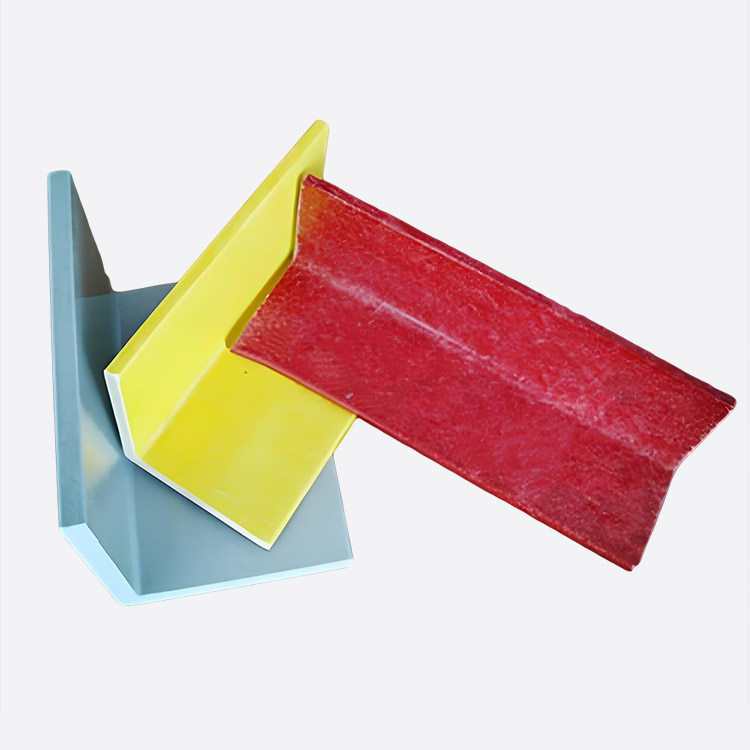
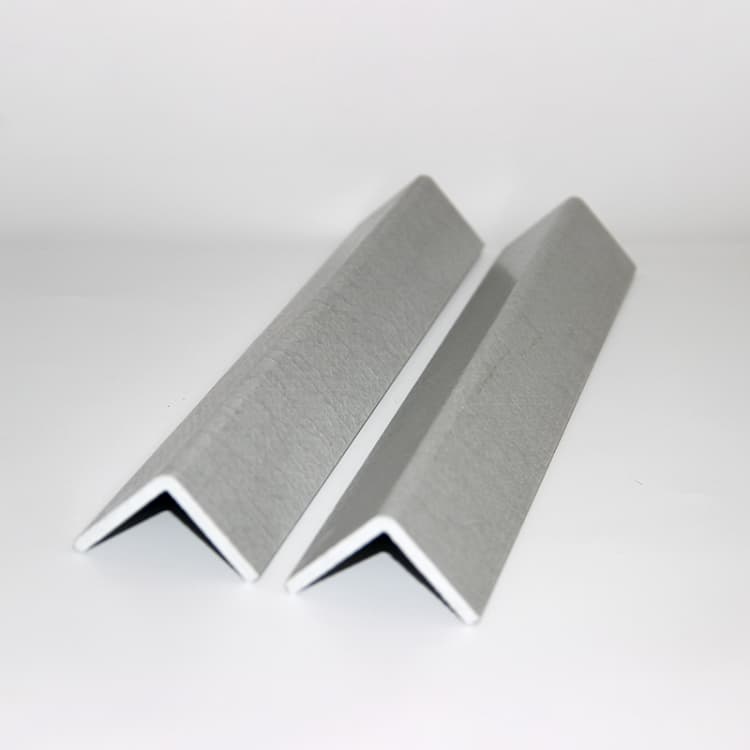
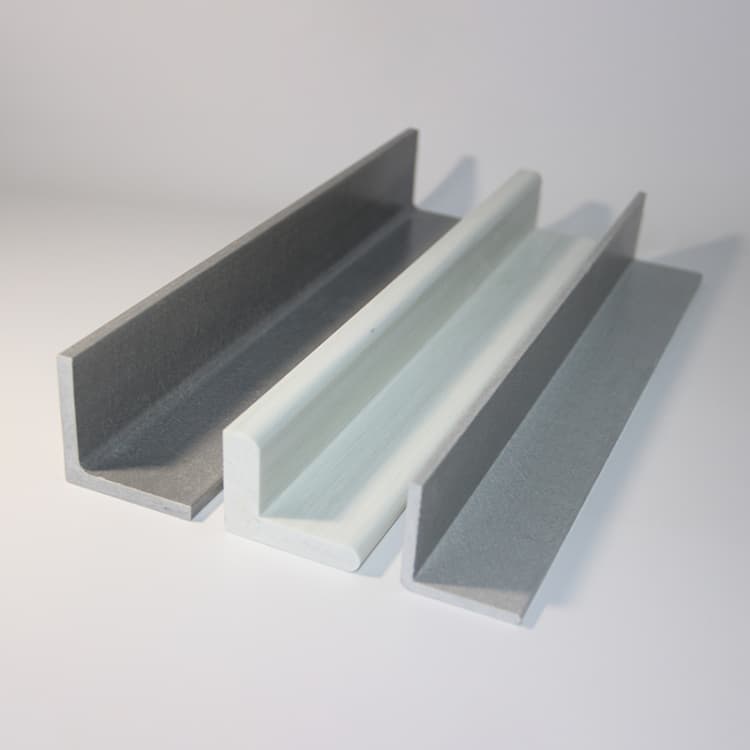
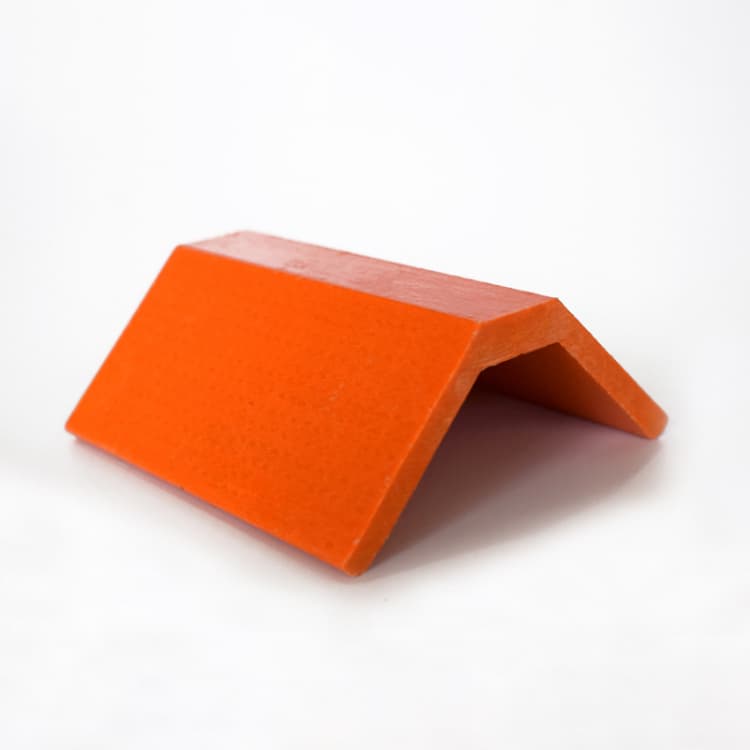
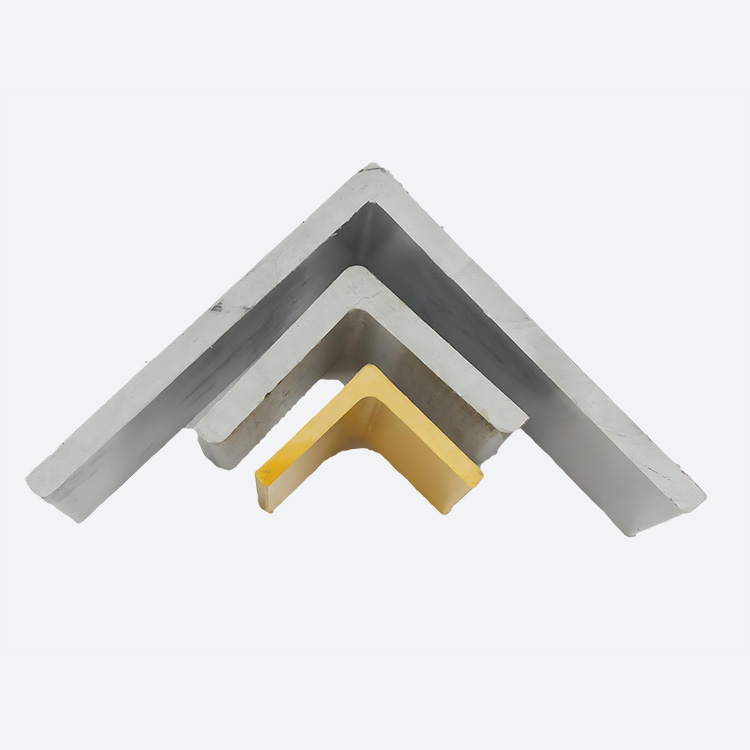
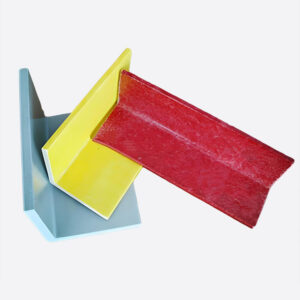
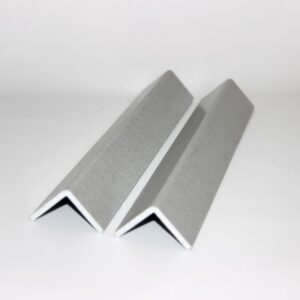
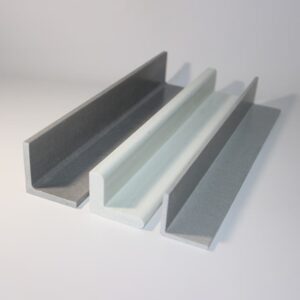
Detailed Product Description
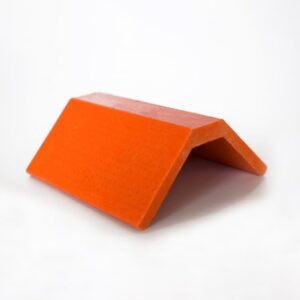
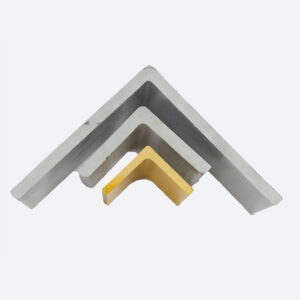
FRP Angle Bars are manufactured using the pultrusion process, which ensures consistent quality and dimensional accuracy. They combine the strength of fiberglass with the durability of thermosetting resin, resulting in profiles that withstand harsh environments such as chemical exposure, moisture, and extreme temperatures.
Unlike steel, FRP angles will not rust, warp, or corrode, making them a long-lasting solution for demanding structural applications. With excellent load-bearing capacity and ease of installation, fiberglass angles are commonly used in walkways, platforms, frames, and support structures.
Product Data & Technical Documents
Download datasheets, chemical resistance charts, test reports and cutting templates.
Technical Specifications
General Properties
-
Material: Fiberglass reinforced polymer (FRP / GRP)
-
Resin Options: Polyester, Vinyl Ester, Epoxy
-
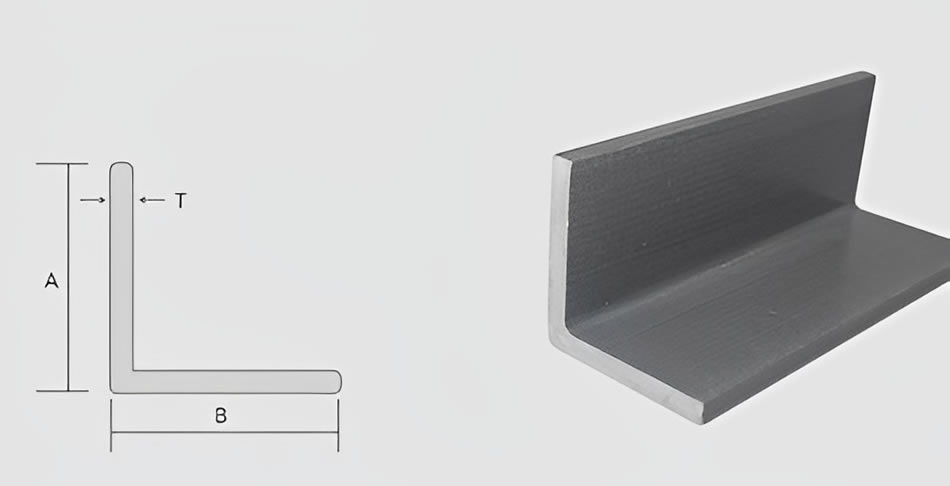
Shape: Equal Angle, Unequal Angle
-
Surface: Smooth, Gritted, or Customized
Mechanical & Physical Properties
-
Tensile Strength: 200 – 350 MPa
-
Flexural Strength: 150 – 300 MPa
-
Density: 1.8 – 2.0 g/cm³
-
Electrical Insulation: Non-conductive
-
Corrosion Resistance: Excellent against acids, alkalis, and saltwater
Standard Sizes (Example)
-
Equal Angle: 25×25 mm up to 100×100 mm
-
Thickness: 3 mm – 10 mm
-
Length: Standard 6 m (customized available)
Applications of FRP Angle Bars
Construction and Infrastructure
-
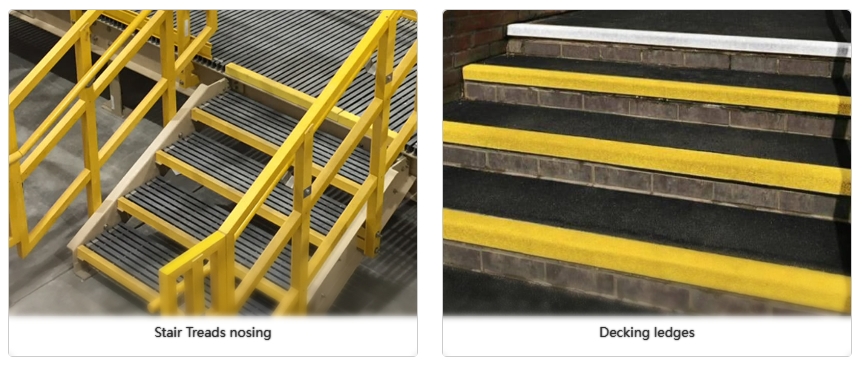
Support frames, handrails, staircases, and platforms
-
Structural reinforcement in buildings and bridges
Industrial and Chemical Plants
-
Corrosion-resistant supports for pipelines and tanks
-
Equipment frames in chemical processing facilities
Marine and Offshore
-
Ship structures, docks, and walkways
-
Saltwater-resistant framing components
Electrical and Utility
-
Non-conductive support structures for electrical equipment
-
Utility pole crossarms and cable trays
Key Advantages of FRP Angle Bars
-
Corrosion Resistant – Performs well in acidic, alkaline, and saltwater environments
-
Lightweight yet Strong – Easy to transport and install without heavy machinery
-
Non-Conductive – Provides electrical and thermal insulation for safety
-
Maintenance-Free – No need for painting or anti-rust treatment
-
Long Service Life – Durable and cost-effective compared to steel or aluminum
-
Customizable – Available in various resin types, sizes, and surface finishes
FAQ – Frequently Asked Questions
Q1: What is the difference between FRP Angle Bar and steel angle?
A: FRP Angle Bars are much lighter, corrosion-resistant, and non-conductive, whereas steel angles are heavier, conductive, and prone to rust.
Q2: Can FRP Angles replace steel in structural applications?
A: Yes, in many cases FRP Angles are used as a direct replacement for steel, especially where corrosion resistance and lightweight properties are required.
Q3: Are FRP Angle Bars suitable for outdoor use?
A: Absolutely. Their UV and weather resistance make them ideal for outdoor construction, marine, and utility applications.
Q4: What surface options are available?
A: FRP Angles can be produced with smooth or gritted surfaces for enhanced slip resistance, depending on the application.
Q5: Can sizes and thickness be customized?
A: Yes. We offer tailored dimensions, thicknesses, and colors to meet project-specific requirements.